Think the world's most photographed places equal paradise? We unpack 15 overhyped vacation spots where Instagram gloss meets inconvenient reality—crowds, logistics, and environmental costs often crash the filter.

Think the world's most photographed places equal paradise? We unpack 15 overhyped vacation spots where Instagram gloss meets inconvenient reality—crowds, logistics, and environmental costs often crash the filter.
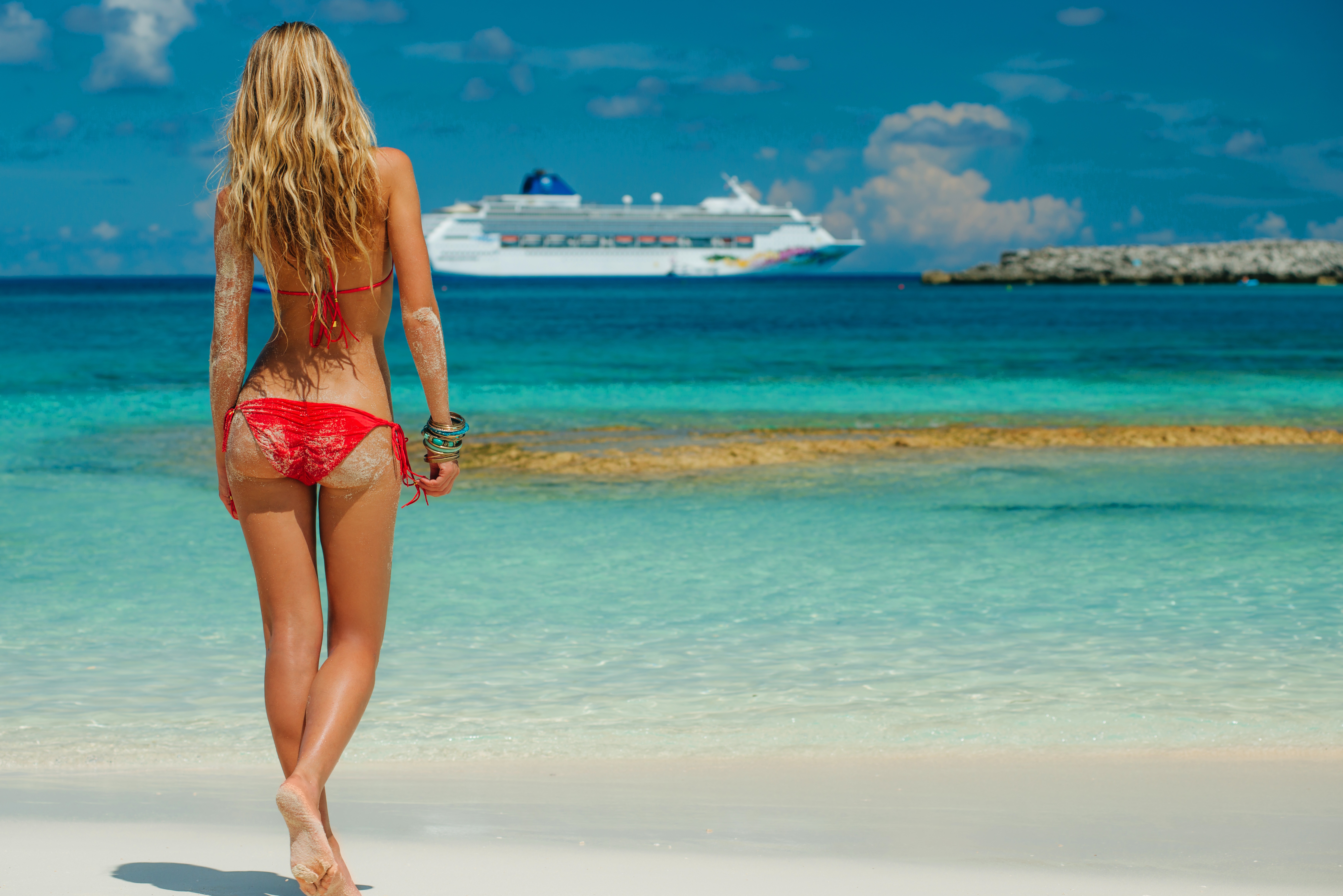
Instagram taught us that the world is one long postcard: blue domes, mirror-smooth lagoons, and empty stairways that slope straight into pastel sunsets. Reality, however, comes with queues, sunscreen mishaps, and the occasional weather tantrum. This guide strolls (and occasionally stumbles) through 15 famously photogenic places to show why the camera lied and how to survive the post-like comedown with humor and a smidgeon of common sense.
Santorini, Greece: Famous for Oia’s whitewashed houses and Aegean sunsets, Santorini is a volcanic caldera—the dramatic cliffs are real, the postcard sunset crowd is also very real. The island handles thousands of cruise-day visitors who descend into tiny villages by bus or donkeys. Fact: Santorini’s dramatic landscape is the result of a massive volcanic eruption around 1600 BCE, which reshaped the island. Tip: Visit in shoulder season and avoid the packed Oia viewpoint at sunset.
Bora Bora, French Polynesia: Overwater bungalows sell the dream of private paradises. The reality? High price tags, frequent resort crowds, and boat traffic in what Instagram frames as a private lagoon. Bora Bora’s lagoon is stunning, but many of its most photogenic spots are on resort property, not public beaches.
Maldives: Those atoll photos are real—low-lying coral islands with vivid lagoons—but they come at a cost. Many islands are entirely resort-run, and frequent seaplane transfers add to logistics and expense. The Maldives also faces rising sea levels: the nation’s average elevation is often cited around 1–1.5 meters, which is geopolitically and environmentally sobering.
Positano and the Amalfi Coast, Italy: That postcard slope of colorful houses looks effortless until you try to haul a suitcase up three flights of cobblestone stairs while a Vespa zips by. Parking is tight, buses fill up, and the narrow lanes are best enjoyed with patience (and non-peak timing). Fun fact: Amalfi towns developed around medieval maritime republic wealth; today they profit from tourism—and congestion.
Cinque Terre, Italy: Five cliffside villages strung along dramatic trails—perfect for dramatic shots. In reality, the Sentiero Azzurro can be saturated with hikers, sections close for maintenance, and trains fill up. To avoid Instagram-induced rage, hike early and consider less-famous nearby trails or a boat approach.
Venice, Italy: Romantic gondolas are authentic, but so are the tourist crowds, rising water, and a shrinking resident population. Venice is built on over 100 small islands in a lagoon, and it regularly experiences 'acqua alta'—periodic high tides that flood parts of the city. Residents often complain that tourism has overtaken daily life; the city has experimented with visitor caps and entrance fees.
Machu Picchu, Peru: The Inca citadel sits at about 2,430 meters above sea level and is architecturally stunning. But getting that cliff-top shot often requires prebooked permits, steep hikes, and coping with altitude. Peruvian authorities have implemented visitor limits and required timed entries to protect the site, so spontaneity and about-face photo runs are less doable than they appear on a feed.
Taj Mahal, India: The white-marble perfection that photographs like a dream suffers from real-world issues: long entry lines, crowds, and air pollution that can dull the marble’s sheen. Interesting fact: the Taj Mahal is closed to general visitors every Friday for prayers, so plan accordingly. Early morning visits help, and be prepared for controlled entry points and security checks.
Eiffel Tower, Paris: The tower dominates countless romantic shots—but so do renovation scaffolds, long lines, and busy Champ de Mars picnickers. Security checks and timed elevator slots are common, and prices for nearby refreshments can be steep. The Eiffel remains magical, but it’s rarely an isolated monument in real life.
Maya Bay (Phi Phi Leh), Thailand: This beach exploded in popularity after a movie. Overcrowding prompted Thai authorities to close it in 2018 for ecological recovery; it reopened with strict visitor limits and regulations. That’s a textbook example of social-media-driven overtourism and subsequent conservation measures.
Blue Lagoon, Iceland: The milky-blue geothermal spa photographs otherworldly—but it is essentially a man-made bathing complex fed by runoff from a geothermal power plant. The silica-rich water is beloved for skin benefits, but expect spa crowds, pricey entry, and a controlled, curated experience rather than raw wilderness.
Great Barrier Reef, Australia: The reef’s colors and marine life captured millions of underwater likes, but warming oceans, coral bleaching, and cyclones have dramatically affected coral cover in recent decades. Snorkeling and diving can still be spectacular, but pristine-reef expectations need nuance—the reef is large and variable in health depending on location and season.
Plitvice Lakes, Croatia: Turquoise cascades and wooden boardwalks look like a fairy-tale. Boardwalks funnel visitors along fragile travertine formations built by mineral deposition over centuries. High foot traffic has necessitated visitor management and sometimes temporary closures—so that perfect solitary frame might require an unusually early alarm.
Antelope Canyon, USA: Those slot-canyon beams are as dramatic as the photos suggest, but the canyon is on Navajo land and accessible only with guided tours. Photographers often pay extra for special pop-in times. Be aware of flash-flood risks during monsoon seasons; tour operators watch weather closely for safety reasons.
There’s a common pattern: a single iconic view gets amplified until millions want the same single-angle shot. The result is infrastructure strained beyond design, local life reshaped toward tourists, and fragile ecosystems stressed. Some locations have introduced timed-entry systems, limits, or even temporary closures to give nature and culture a breather—and to make Instagrammers practice patience.
Another recurring issue: the Instagram lens compresses context. A sparkling pool can be a chlorinated resort lagoon; a stunning cliffside is often a narrow path with dozens of selfie sticks. That’s not to shame the picture-loving traveler—photography is a joyful way to remember and share—but it’s wise to balance the shot-hunting with a reality check.
1) Time your visit: Shoulder seasons often bring better light, fewer crowds, lower prices, and more respectful local interactions. 2) Book in advance where required: UNESCO sites, national parks, and some monuments have quotas; respecting them keeps the site open. 3) Seek alternative angles: The well-known viewpoint is popular for a reason—try a nearby trail, rooftop, or sunrise instead of sunset. 4) Support sustainable choices: Use local guides, pay entry fees that fund conservation, and avoid single-use plastics. 5) Manage expectations: Know that a place’s most iconic shot is often a compressed, curated slice of the experience, not the whole room.
Instagram can be a brilliant primer—discovering bucket-list spots through a feed is part of modern travel’s joy. But once you arrive, remember that the lived-in version of paradise includes logistics, locals, and limits. Some of these 15 destinations will still take your breath away; others might leave you reaching for hand sanitizer while waiting in line. Either way, approach with curiosity, a little humility, and the understanding that a place’s true value is rarely captured in a single filtered square.
Final practical thought: if you want a pure postcard without the sweat, buy a postcard. If you want a genuine memory, go early, stay a bit longer, and talk to someone who lives there. Odds are you'll come home with better stories than likes—and isn't that the point?
Disclosure: This content is for general informational purposes only and does not replace professional medical or financial advice. Mentions of people or organizations do not imply endorsement. This article is AI-generated and may include errors or misleading information. Always consult a qualified expert for guidance.